



Contrast scribing paints
Scribing paints (LAYOUT FLUID / layout dye) create a thin contrast film for marking metal parts before machining. They improve line visibility, reduce glare and help define outlines and cutting contours in toolrooms, machine shops and maintenance work.
List of products

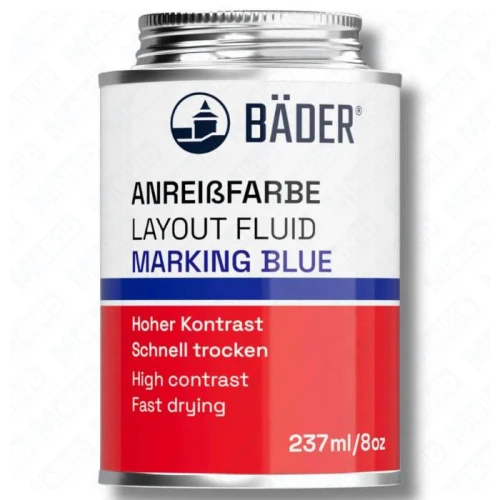
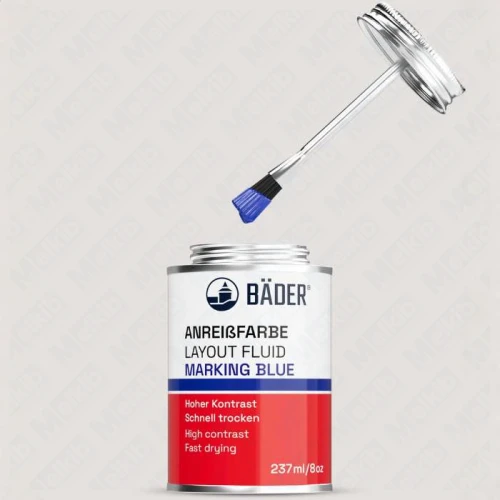
Scribing Paint (LAYOUT FLUID) LACKFABRIK BÄDER – 237 ml Can with Brush, Blue Transparent
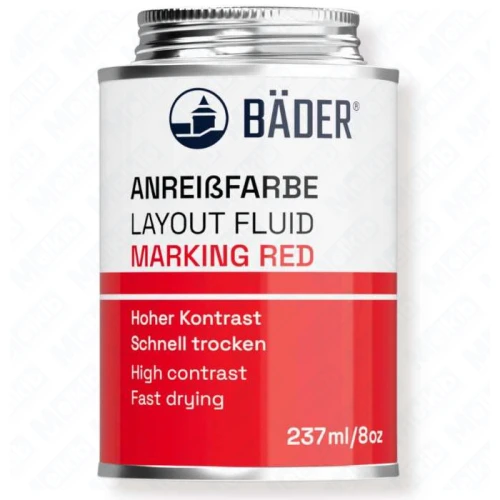
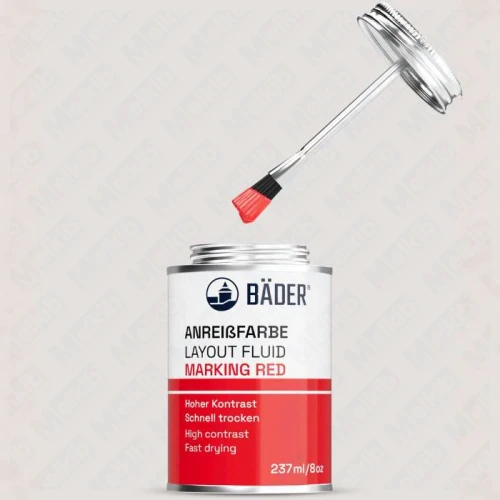
Scribing Paint (LAYOUT FLUID) LACKFABRIK BÄDER – 237 ml Can with Brush, Red Transparent
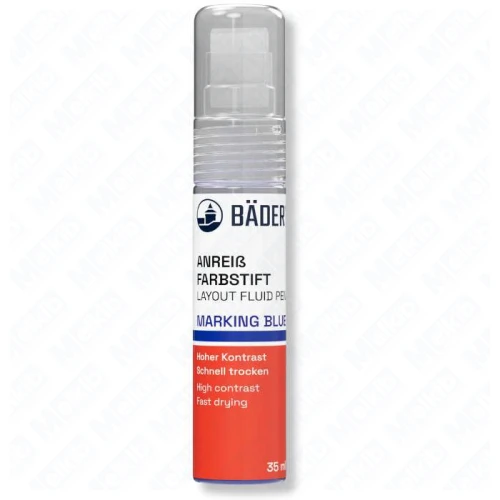
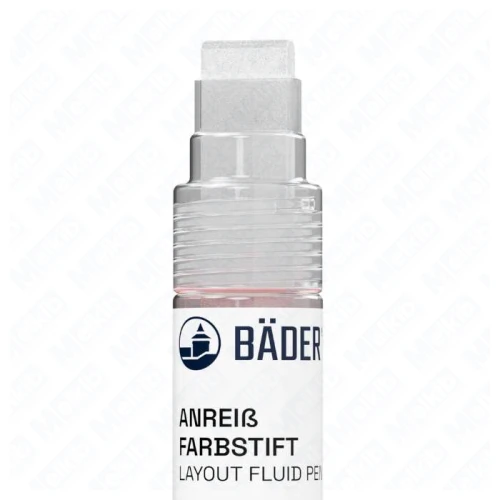
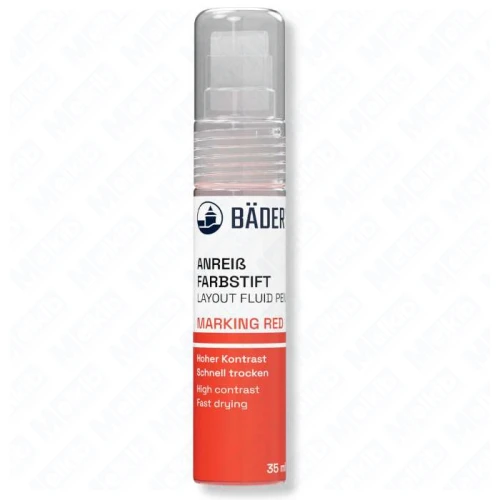
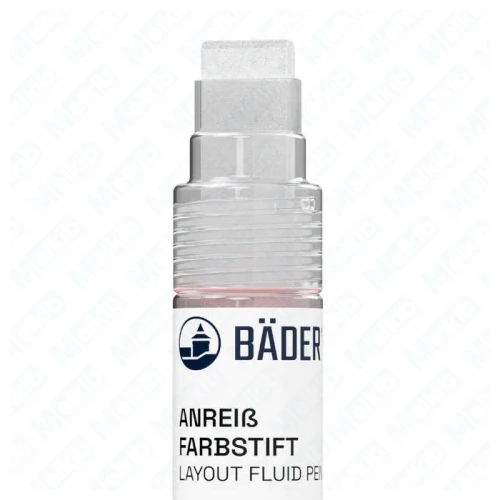
Scribing paints for metal – why they matter before machining
Layout work is only as good as the line you can actually see. On bare metal, glare, surface texture, coolant residue or irregular cast/forged skins can make scribe lines hard to read. Scribing paints (also called layout dye/ink or LAYOUT FLUID) solve this by creating a thin contrast film that improves visibility for marking out before milling, drilling or cutting.
Across the market, layout inks are described as fast-drying coatings that form an even, thin film and allow sharp lines to be scribed without flaking. In toolrooms and machine shops this translates into fewer re-marks, faster set-up and more consistent contours.
Common use cases
• marking outlines, reference lines and points on metal workpieces prior to machining
• applying cutting contours and profiles for cutting/grinding operations
• process and identification markings (including stencil use)
• cast and forged parts where readability and repeatability are critical
Choosing the format: pen vs can with brush
Dispensing pen (e.g., 35 ml) is best when you need clean, local application: quick workstation marking, in-process checks, short runs or service work. It helps you apply the coating exactly where needed and keep the area tidy.
Can with brush (e.g., 237 ml) suits larger surfaces and batch work. The brush lets you spread a thin, uniform layer quickly over wider areas, which is practical when you prepare multiple parts in one cycle.
Colour selection and line readability
Colour is a contrast tool, not a cosmetic choice. Market guidance for layout inks often recommends blue for bright or machined surfaces because it delivers a clear readout, while other colours are chosen based on the background and process standards. If your plant uses colour coding (for example, different colours for different stages), keep it consistent to avoid misinterpretation on the shop floor.
What you gain in practice
• clearer outlines and more confident contour control
• fewer corrections and faster preparation of the workpiece
• improved repeatability thanks to an even, thin contrast film
• easier QC checks and better communication of the intended cut/feature
Useful companions in the process
Cleaning & protective agents – for degreasing before marking and for removing residues after the job (choose according to material and contamination).
Oil markers – for additional identification and workshop markings alongside layout work.
Limitations and safety
Depending on the product, scribing paints may be classified as flammable and require ventilation as well as gloves and eye protection. Always follow the SDS for the specific item and match PPE to your workplace conditions.
FAQ
What is the best way to mark metal before cutting or milling?
Most workshops use layout dye/ink (scribing paint) to create a contrast background for scribing. Apply a thin, even film and choose a colour that gives clear contrast on your surface.
Which is better for batch work: pen or can?
For batch work and larger areas, a can with brush is usually faster. A pen is ideal for precise local marking and quick adjustments at the machine.
Do I need to degrease the surface first?
Yes. Oils and coolants can reduce film uniformity. Degreasing improves readability and reduces rework.