
Spotting Pastes / Contrast Pastes
Spotting pastes (contrast pastes) are used to reveal real contact points between machined metal surfaces. They make contact patterns visible, support fitting accuracy checks and help identify uneven seating during machining, assembly and maintenance work.
List of products

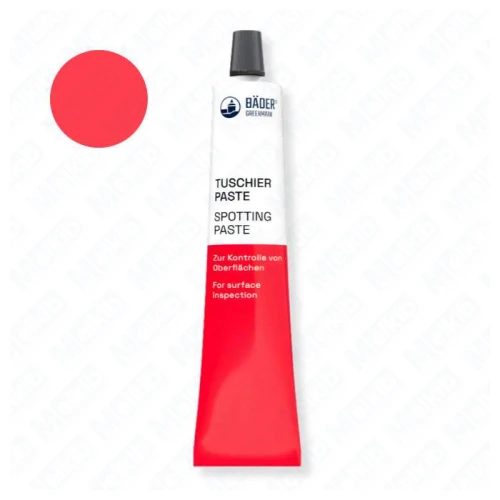
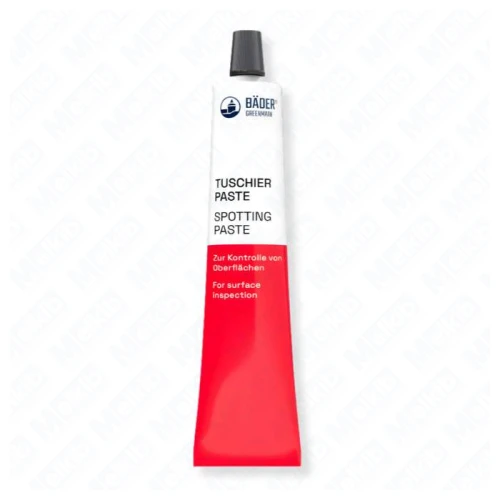
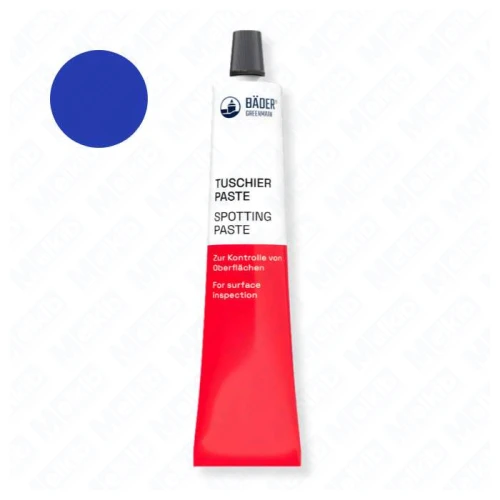
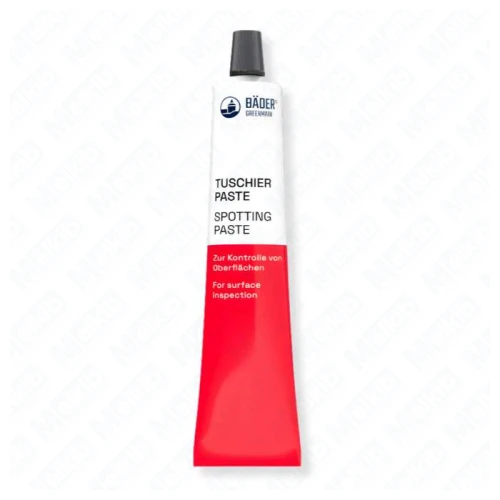
Spotting pastes – what they are used for
Spotting pastes (also called contrast pastes or “tuschierpaste”) are practical inspection aids for metalworking. Their job is simple: make real contact points visible when two machined surfaces meet. That visibility saves time in fitting, reduces guesswork and helps you correct high spots or uneven contact faster.
How they work (in real workshop terms)
You apply a very thin layer to a reference surface, then seat the mating part and perform a controlled touch or slight movement. The transferred colour impression shows where contact actually occurs. Instead of “it feels OK”, you get a clear pattern that supports decisions in machining, assembly and repair.
Where spotting paste brings the biggest value
• checking contact patterns and seating on machined metal surfaces
• fitting verification after grinding, scraping or lapping
• identifying high spots and uneven contact areas
• fast inspection in toolrooms, CNC workflows, maintenance and QC
Choosing colour: red vs blue
Colour choice is mainly about contrast on your specific surface and workplace lighting. Many shops keep consistent colour rules for different steps, so operators can read results quickly and avoid confusion.
Best-practice tips for reliable readout
1) Clean the surface first – oils and coolants can distort the film.
2) Apply thin – spotting paste is for contact reading, not painting.
3) Use controlled seating/movement and read the pattern immediately.
4) Remove residues with a suitable metal cleaner matched to the contamination and material.
Helpful companions
Cleaning & protective agents – for degreasing before the test and removing residues afterwards.
Limitations and safety
Spotting pastes are inspection tools, so thin application and proper cleaning after the test are key. Always follow the SDS for the specific product and choose PPE according to workplace conditions.
FAQ
How do I check if two metal surfaces fit correctly?
Use spotting paste: thin layer + controlled seating + read the contact pattern. It reveals real contact points and uneven seating.
Why should the layer be thin?
A thick layer can mask irregularities and distort the contact readout. Thin film gives a sharper, more reliable pattern.
What should I use to remove the paste after testing?
Use a suitable metal cleaner/degreaser matched to the contamination and the material, especially if the part continues into further processes.