


Packaging and dispensing applicators
Packaging and dispensing applicators for the precise application of adhesives, pastes, lubricants, silicones, and sealants. Choose from tubes, syringes, cartridges, plungers, caps, adapters, and applicator tips that help maintain a clean work environment, ensure precise material control, and guarantee consistent application results.
List of products


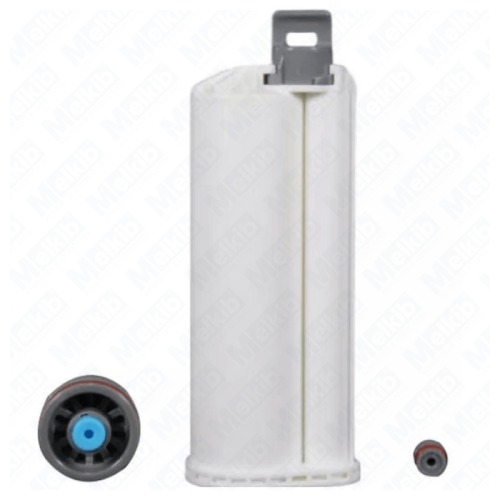
Single-component 300ml cartridge for adhesives, silicones, masses, sealants with applicator

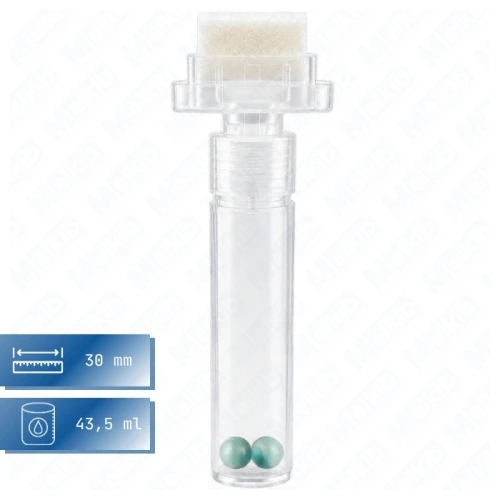
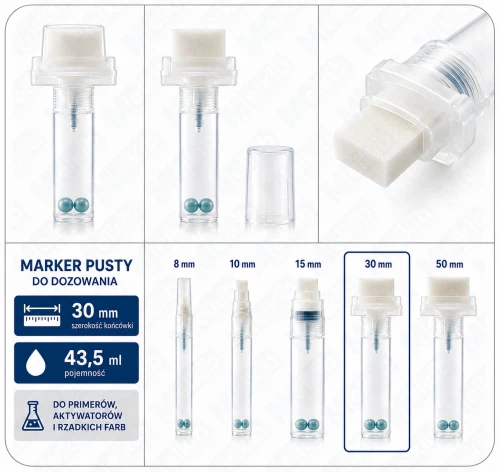
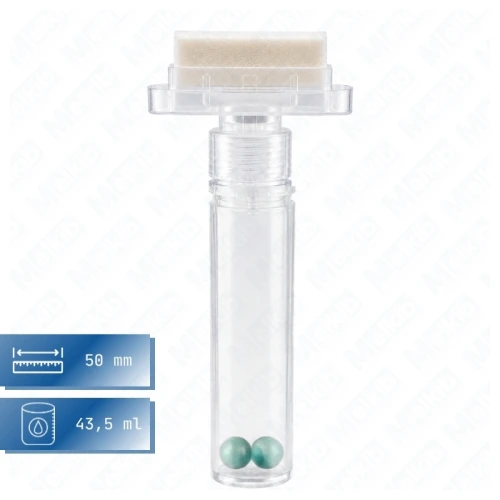
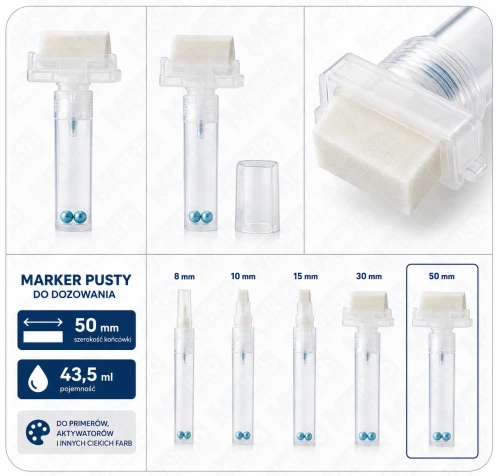
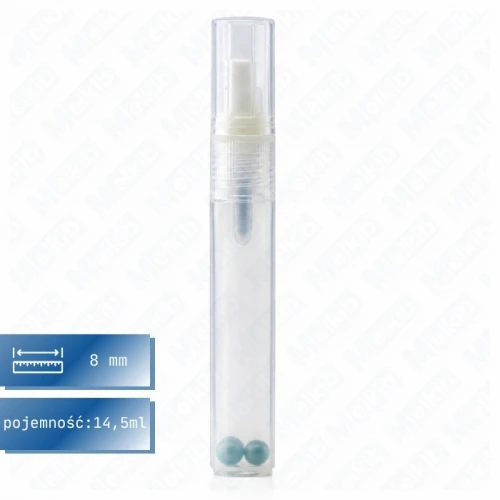
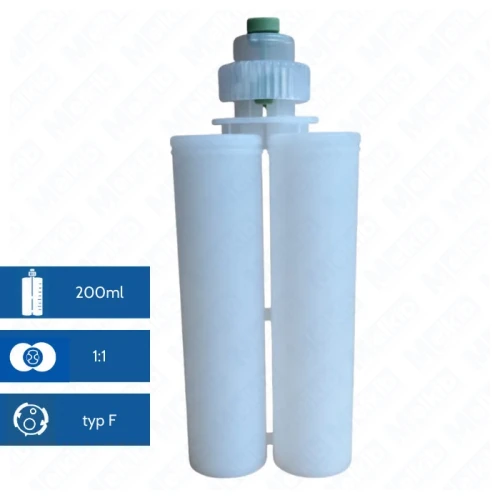
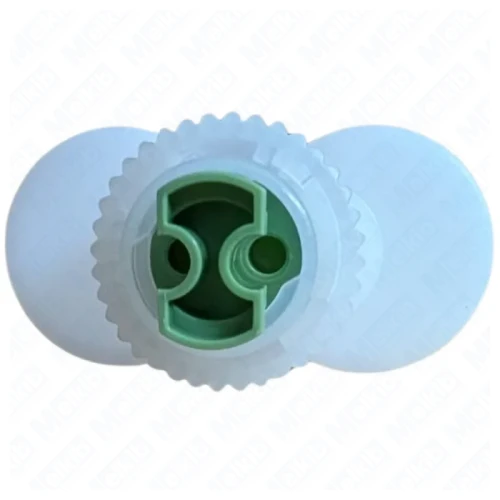

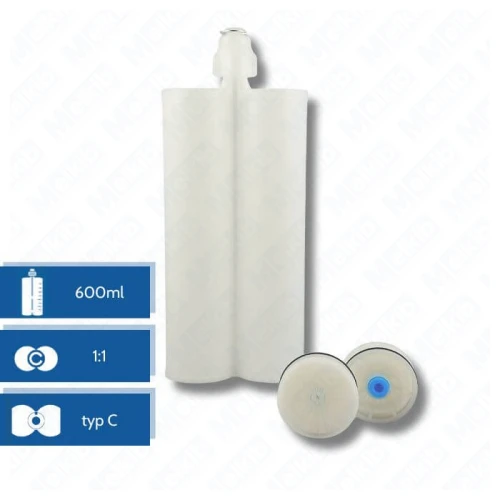
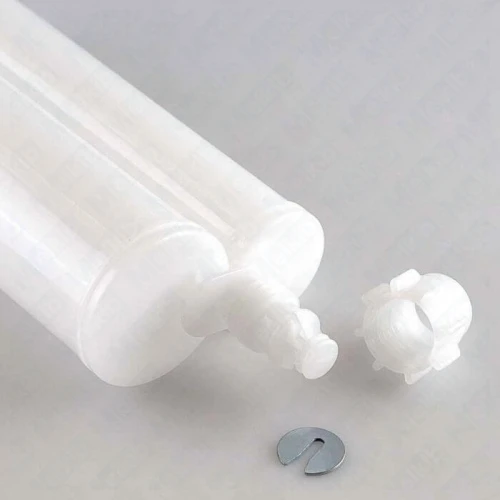
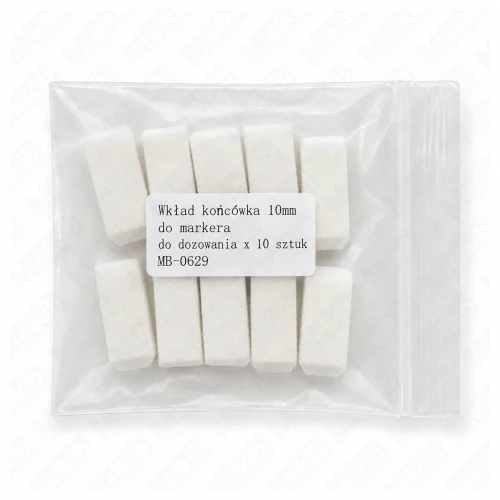
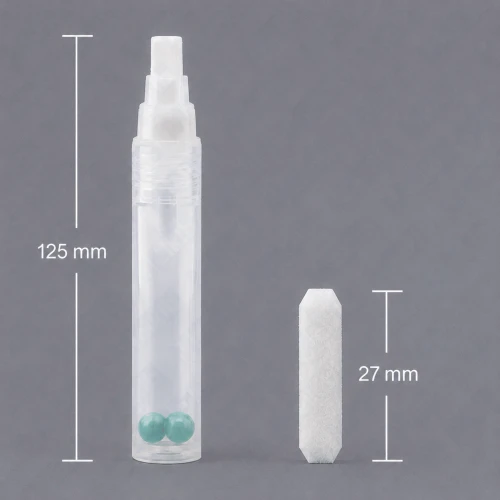

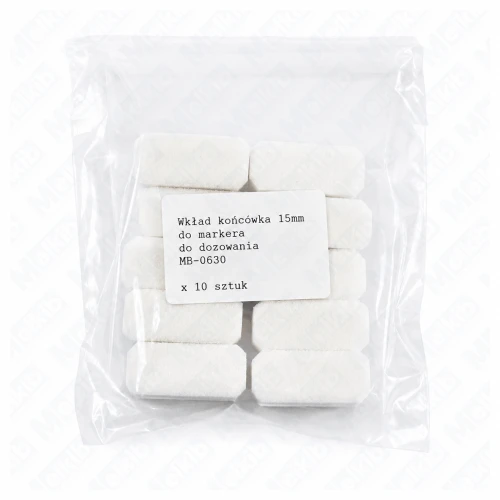
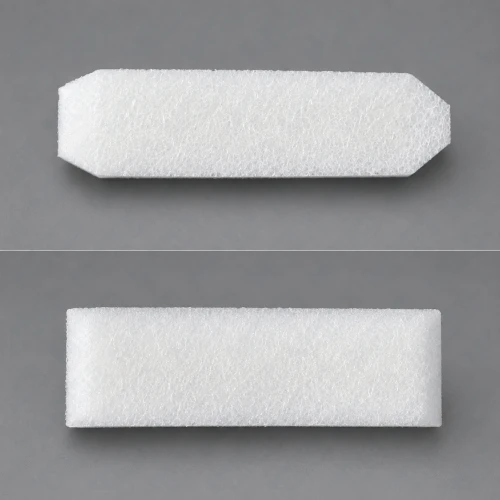
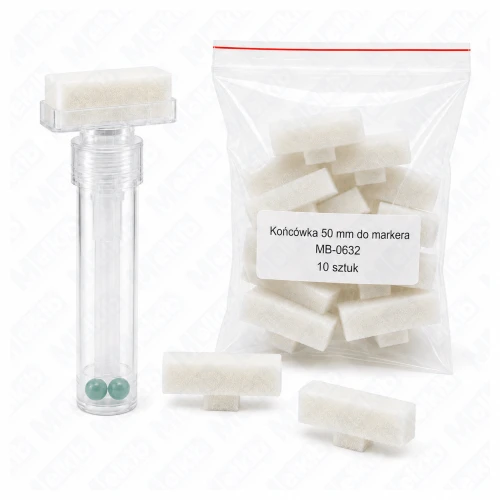
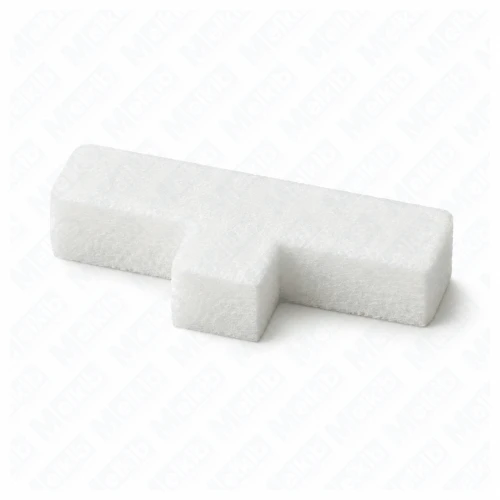
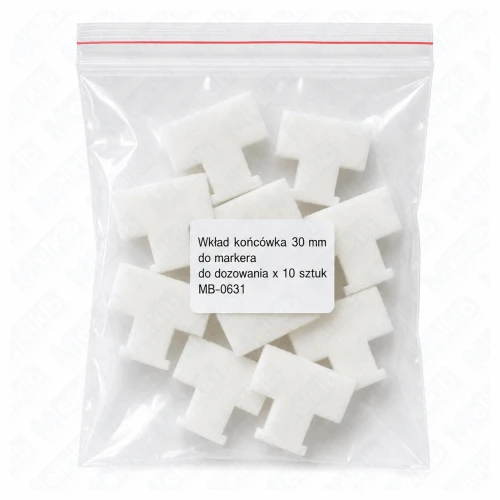
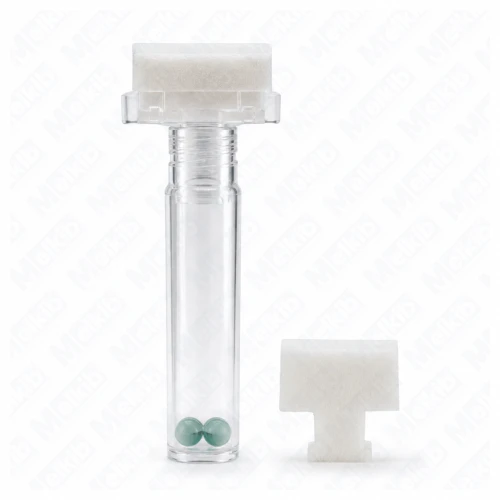
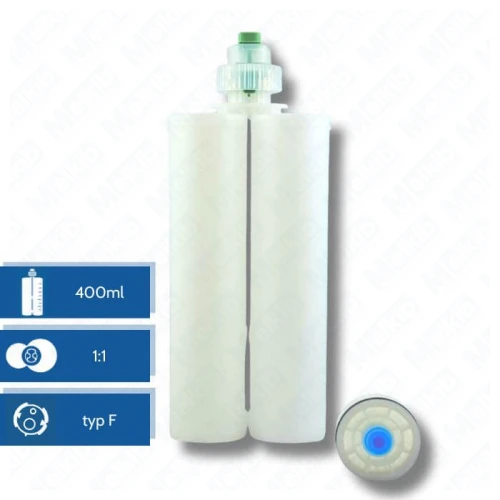
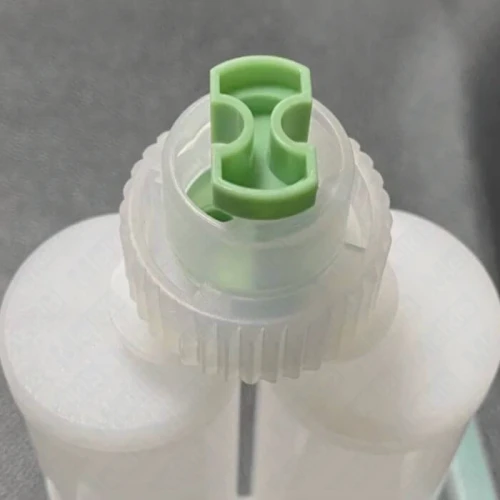
Packaging and dosing applicators for precise application of technical materials
Packaging and dosing applicators are practical accessories designed for clean, controlled and repeatable application of adhesives, sealants, pastes, greases, silicones, resins and other technical materials. They help transfer, store, dose and apply products in a more convenient way, especially when the original packaging is too large, too imprecise or unsuitable for detailed work.
This category includes solutions used in production, maintenance, service, assembly, workshops and technical laboratories. Properly selected packaging or applicator makes it easier to apply the right amount of material in the right place, reduce product waste and keep the workstation cleaner. This is important wherever accuracy, repeatability and process control matter.
What are packaging and dosing applicators used for?
Packaging and dosing applicators are used to portion and apply materials that require better control than standard packaging can provide. They are suitable for manual application, refilling, temporary storage, point dosing, line application and work in hard-to-reach areas. Depending on the product and application method, they can be used with adhesives, sealants, lubricants, pastes, compounds, silicones or other compatible technical preparations.
In everyday work, these accessories help avoid accidental overapplication, uncontrolled spilling and contamination of surrounding surfaces. Instead of applying material directly from a large container, the user can transfer it into a smaller syringe, tube, cartridge or applicator and work with greater precision.
What can you find in this category?
This category may include empty cartridges, syringes, dosing tubes, plungers, caps, adapters, hoses, tips and other application accessories. These products support both simple manual application and more advanced dispensing systems. They can be used for preparing small working portions, dispensing materials in a controlled way or connecting packaging with application equipment.
Some accessories are designed for precise point dosing, while others are better suited for larger quantities of material or repeated application in a production process. The right choice depends on the material type, viscosity, working volume, packaging compatibility and the required application method.
How to choose the right dosing applicator?
When selecting a dosing applicator, it is important to consider the type of material, its viscosity, curing method, working time and chemical compatibility. Low-viscosity adhesives require different accessories than thick pastes, sealants or lubricants. Two-component products may require dedicated cartridges, static mixers or accessories compatible with the correct mixing ratio.
The application method is also important. For precise point application, small syringes, fine tips and compact dosing tubes are often the best choice. For larger amounts of material, cartridges, adapters or accessories designed for manual or pneumatic dispensing may be more practical. If the material is to be stored after filling, the use of a suitable plunger, cap or closure should also be considered.
Why use dedicated packaging and dosing accessories?
Dedicated packaging and dosing accessories improve work ergonomics and reduce application errors. They allow the material to be applied only where it is needed, without excessive product use, uncontrolled flow or unnecessary contamination. This is especially important when working with industrial adhesives, sealants, specialist lubricants, assembly pastes and materials that require accurate placement.
In production and maintenance, repeatable dosing helps stabilize the process and reduce variability between applications. In service and workshop work, it gives the user better control over the final result. In technical and prototype applications, it supports clean, efficient and more predictable work.
Packaging and applicators for adhesives, sealants and technical preparations
Packaging and dosing applicators are a useful part of any technical application process. They help prepare the material for use, apply it more accurately and reduce losses caused by unsuitable packaging. They are used not only with adhesives, but also with sealants, greases, pastes, resins, silicones and other compatible preparations.
Choosing the right applicator is often just as important as choosing the material itself. Even a high-quality adhesive or sealant may not perform as expected if it is applied in the wrong amount, in the wrong place or with poor repeatability. That is why dosing accessories are an important element of professional application, repair and assembly work.
FAQ – packaging and dosing applicators
What are dosing applicators used for?
Dosing applicators are used to apply adhesives, sealants, pastes, greases and other technical materials in a controlled way. They help improve precision, cleanliness and repeatability during manual or system-based application.
Can one applicator be used with every material?
No. The applicator must be matched to the material type, viscosity, chemical properties and application method. A product that is too thick, too aggressive or too fast-curing may block the tip, damage the applicator or make dosing difficult.
What is the difference between packaging and an applicator?
Packaging is mainly used to store or portion the material, while an applicator helps control how the material is applied. In practice, both elements often work together, for example a syringe with a plunger and dispensing tip.
Are these accessories suitable only for adhesives?
No. Depending on compatibility, they can also be used with sealants, greases, pastes, silicones, resins and other technical preparations. Before use, the material should always be checked against the applicator type and intended application method.
Why is controlled dosing important?
Controlled dosing helps reduce waste, avoid overapplication and improve the quality of the final result. It is especially important in production, maintenance, service and assembly work where repeatability and clean application are required.
``` ### Refillable marker applicators ```html
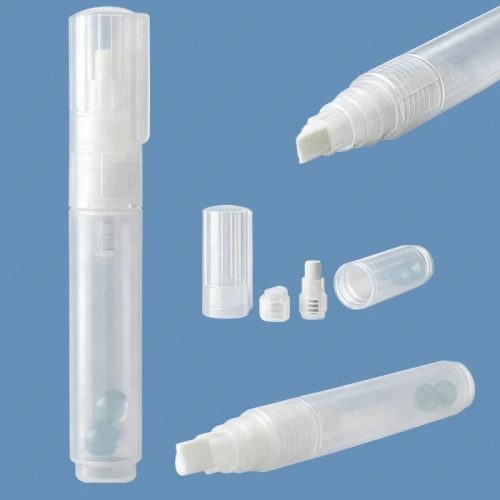
Refillable marker applicators for precise marking and application
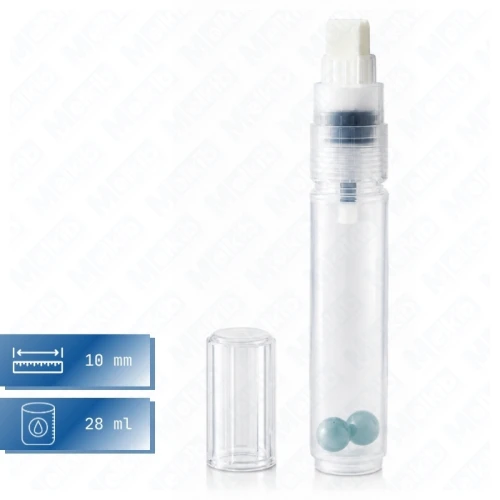
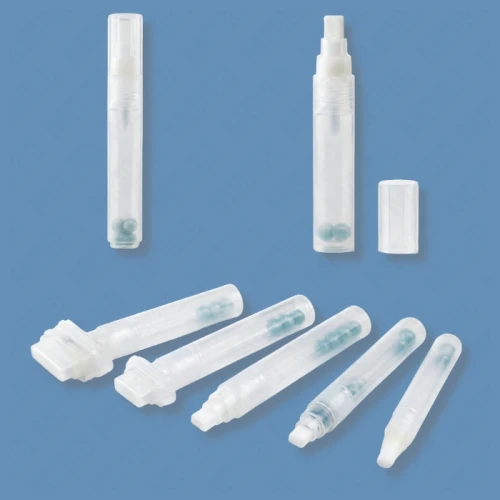
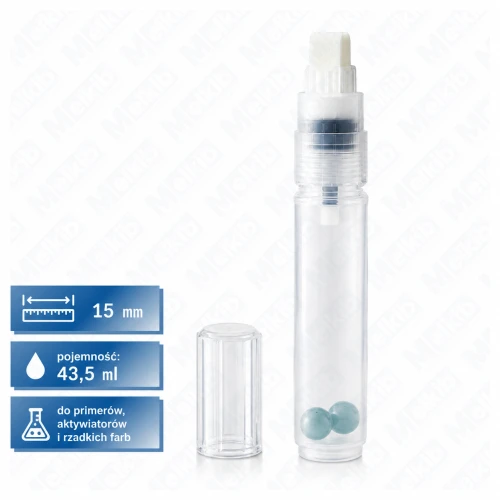
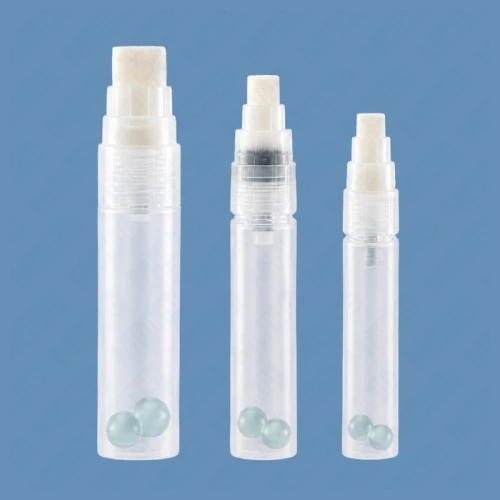
Refillable marker applicators are empty markers designed to be filled with a suitable working material, such as paint, ink, varnish, marking fluid or another compatible technical preparation. They make it possible to apply a selected product in a convenient marker-like form, with better control than when using an open container, brush or improvised tool.
This type of applicator is useful wherever a standard ready-made marker does not meet process requirements. A refillable marker allows the user to choose the filling material, colour, marking properties and application method according to the specific task. It is a practical solution for production, maintenance, service, warehouses, quality control and workshop applications.
What are refillable marker applicators used for?
Refillable marker applicators are used for marking parts, describing components, indicating inspection points, applying control marks, drawing guide lines, marking assembly areas and applying small amounts of compatible material to selected surfaces. They are designed for applications where the material should be applied in a similar way to writing or marking with a pen.
In industrial environments, these applicators help organize marking processes and improve work comfort. They can replace less convenient methods such as brushes, sticks, open containers or direct application from a larger package. The result is cleaner work, better control and easier repeatability.
Why choose empty markers for refilling?
Empty refillable markers offer more flexibility than standard disposable markers. The user can fill the applicator with a selected product, provided that the material is compatible with the marker body, tip, flow system and sealing elements. This is particularly useful when a company uses its own paint, ink, varnish, inspection fluid or specialist preparation.
A properly selected marker applicator helps reduce accidental spills, limit unnecessary material consumption and improve the cleanliness of the workstation. Instead of applying too much product, the user can guide the mark more precisely, whether the application is linear, point-based or local.
Where are refillable marker applicators used?
In production, refillable marker applicators can be used to mark details, components, batches, assembly points, parts after machining or elements requiring further inspection. In quality control, they make it easier to apply quick inspection marks, approval marks, correction marks or indicators for additional verification.
In maintenance and service work, empty markers are useful for marking machine parts, cables, housings, tools, spare parts and adjustment points. In warehouses, they can support the marking of packaging, containers, technical components and storage locations. In workshops, they allow the user to apply a selected preparation without using a large can, bottle or bulk container.
How to choose a refillable marker applicator?
When choosing a refillable marker applicator, the most important factors are the type of filling material, viscosity, drying behaviour, chemical properties and required line width. A thin ink will require a different applicator than a thicker paint, varnish or marking fluid. The tip type is also important because it determines whether the mark will be narrow, wide, point-based, linear or more opaque.
Not every preparation is suitable for every empty marker. A material that is too thick may restrict flow, while a fast-drying product may block the tip. Before use, it is worth checking whether the chosen preparation is compatible with the marker, the tip, the sealing system and the expected storage conditions after filling.
Refillable marker applicators and dosing accessories
Refillable marker applicators belong to a broader group of accessories used for controlled application of technical materials. Like syringes, tubes, cartridges, adapters and dispensing tips, they help control the amount and method of application. The difference is the way they are used: a marker applicator is especially convenient when the material needs to be guided over the surface in a writing or marking motion.
This makes refillable markers a useful solution for tasks that require visible, local and repeatable application. They combine the convenience of a marker with the possibility of using a selected technical material chosen by the user.
FAQ – refillable marker applicators
What can a refillable marker applicator be filled with?
A refillable marker applicator can be filled with a suitable paint, ink, varnish, marking fluid or another compatible technical preparation. The material should be matched to the marker body, tip, flow system and sealing elements.
Can an empty marker be used with every paint?
No. Not every paint is suitable for a marker applicator. A product that is too thick, too fast-drying or chemically aggressive may block the tip, restrict the flow or damage the applicator.
How is a refillable marker different from a standard marker?
A standard marker is a ready-made product with a factory-filled insert. A refillable marker applicator is an empty tool that can be filled with a selected compatible material, giving the user more control over colour, properties and application.
Where are refillable marker applicators most useful?
They are useful in production, maintenance, service, quality control, warehouses, workshops and assembly work. They help mark parts, describe components, apply inspection marks and dose selected technical preparations in a controlled way.
Can a refillable marker applicator be reused?
Reuse depends on the construction of the applicator and the material used inside it. If the product does not dry inside the tip and the marker is properly closed and stored, it may be possible to use it again.